
50
Tour Details
This specialized birding program explores some of the finest birdwatching destinations in the Cusco region, including Huacarpay Lakes, the Sacred Valley, Machu Picchu, Abra Málaga and the Condor Valley of Chonta. The tour combines exceptional endemic bird species, spectacular Andean landscapes, cloud forests, archaeological sites and opportunities for wildlife photography.
Included / Not Included
Cost Includes
- Airport transfers
- Accommodation in hotels
- Private transportation
- Professional birding tour leader
- Entrance tickets for all excursions
- Round-trip train tickets to Machu Picchu
- Round-trip bus tickets to Machu Picchu
- Breakfasts
- Lunches
- Box lunches
- Dinners as specified
Cost Does Not Include
- Personal expenses
- Medical insurance
- Alcoholic beverages
- Soft drinks
- Telephone calls
- Tips
Trip Information
Season
Available throughout the year
Destination
Cusco - Machu Picchu - Abra Málaga - Chonta
Experience
Birdwatching, Photography and Archaeology
Wildlife
Endemic Andean and Cloud Forest Birds
Itinerary
Expand All
Cusco – Inca Capital
Arrival in Cusco and transfer to your hotel. Due to the high altitude, the rest of the day is free for acclimatization. You may relax at the hotel or take a short walk around the historic city, which blends Inca and colonial architecture. (L)
Huacarpay Lakes
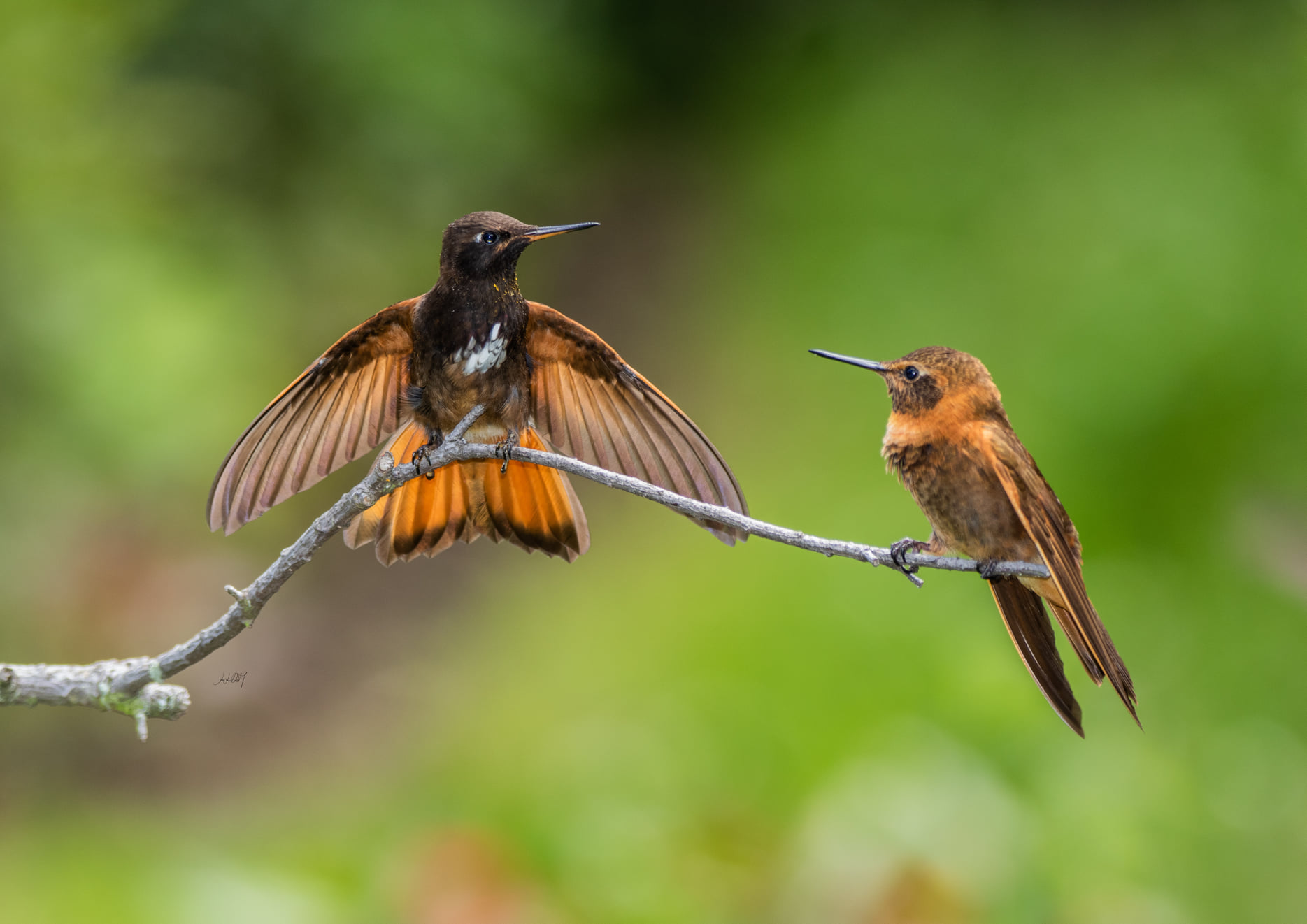
Early morning visit to Huacarpay Lakes, a Ramsar-listed wetland in the Cusco Valley near the Pikillacta archaeological site of the Wari culture. This diverse ecosystem includes lakes, marshes, scrub vegetation, and wildflowers, making it excellent for birdwatching. Possible sightings include endemic species such as Bearded Mountaineer, Rusty-fronted Canastero, Black-and-green Trainbearer, and Giant Hummingbird, along with waterbirds like Andean Teal, Andean Lapwing, Puna Ibis, and Variable Hawk, among many others. Return to Cusco for lunch.
Cusco City Tour
In the afternoon, explore Cusco’s highlights, including Qoricancha (Temple of the Sun) and the Sacsayhuamán archaeological complex with its impressive Inca stonework. Return to hotel to rest. (B, Box L)
Sacred Valley of the Incas
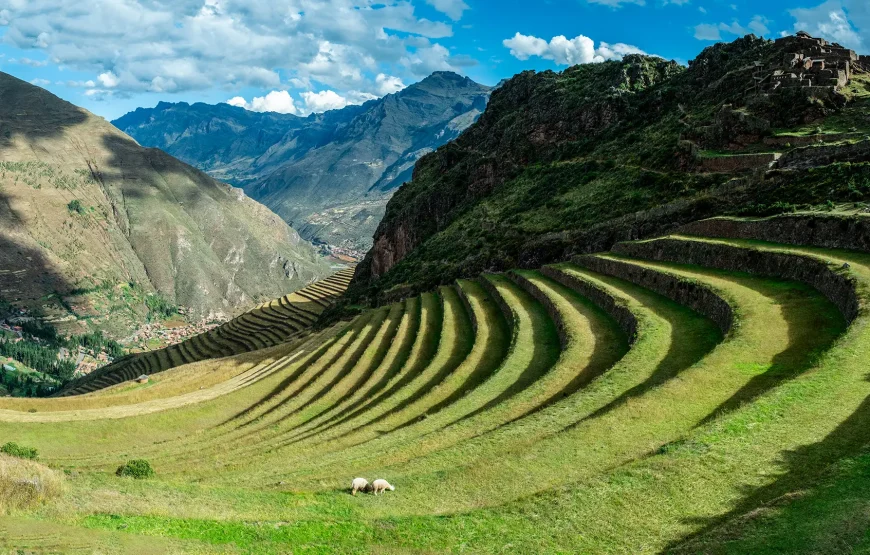
After breakfast, drive to the Sacred Valley, descending toward the Vilcanota/Urubamba River, a major Amazon tributary. Visit Pisac archaeological site with its remarkable terraces and scenic views, offering chances to see endemic birds like Bearded Mountaineer, Rusty-fronted Canastero, Chestnut-breasted Mountain-Finch, as well as raptors such as Mountain Caracara and Black-chested Buzzard-Eagle. Stop at Pisac market to browse local crafts before continuing along the valley for a buffet lunch featuring regional cuisine. Continue to Ollantaytambo, the best-preserved living Inca town.
Aguas Calientes
In the late afternoon, board a 1.5-hour train through cloud forest scenery to Aguas Calientes, gateway to Machu Picchu. Walk to your hotel. (B, L)
Birding in Aguas Calientes
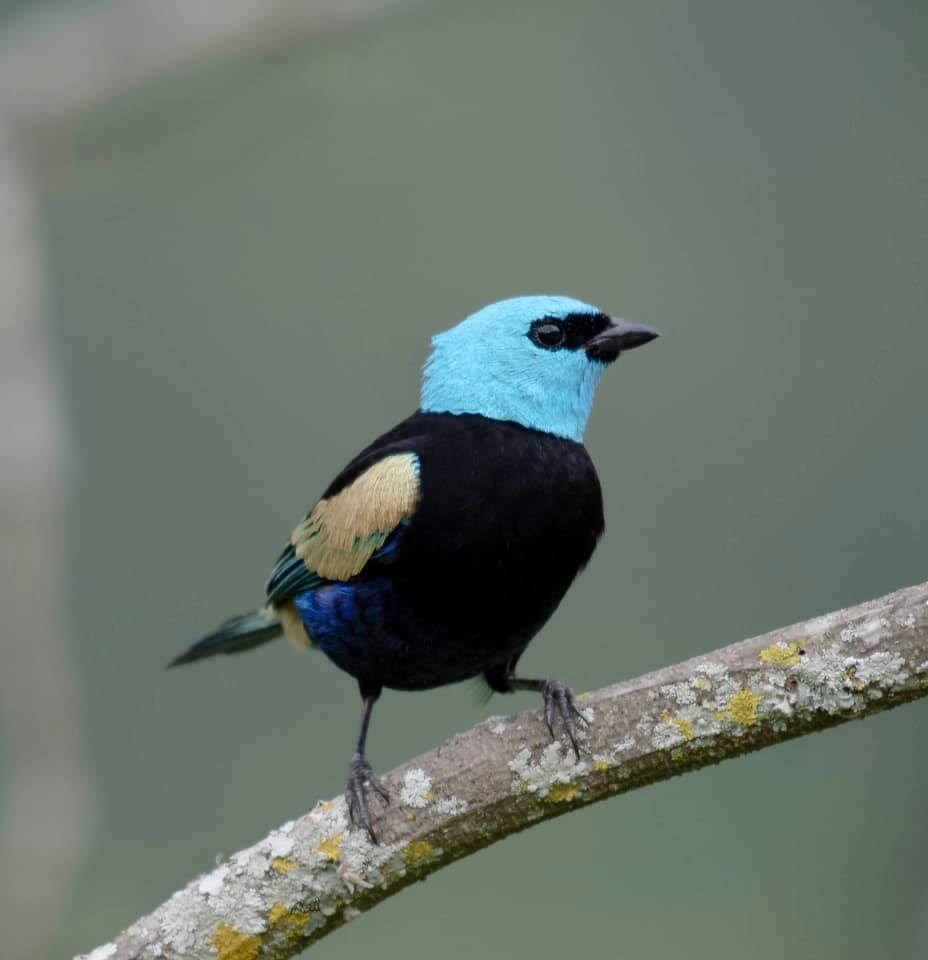
Aguas Calientes (below 2,000 m) has a warmer, more humid climate than Cusco and supports rich biodiversity. After an early breakfast, walk and bird along the railway in search of specialties such as Andean Cock-of-the-rock, Torrent Duck, Highland Motmot, White-bellied Hummingbird, Green-and-white Hummingbird (endemic), Black-capped, Bolivian and Sclater’s Tyrannulets, Inca Flycatcher (endemic), Ocellated Piculet, Masked Fruiteater (endemic), Inca Wren (endemic), Variable Antshrike, Andean Solitaire, Black-streaked Puffbird, and various tanagers. Return to Aguas Calientes for lunch.
Machu Picchu
In the afternoon, take a 20-minute bus ride to explore the iconic Machu Picchu citadel, set above the Urubamba Canyon amid steep cloud forest. This vast complex of over 200 structures across 30 hectares is one of the world’s most remarkable archaeological sites. Overnight in Aguas Calientes. (B, L)
Machu Picchu – Ollantaytambo
Spend another morning birding around Aguas Calientes in search of additional cloud forest species. After lunch, take a panoramic train along the Urubamba River back to Ollantaytambo for an overnight stay. (B)
Abra Málaga
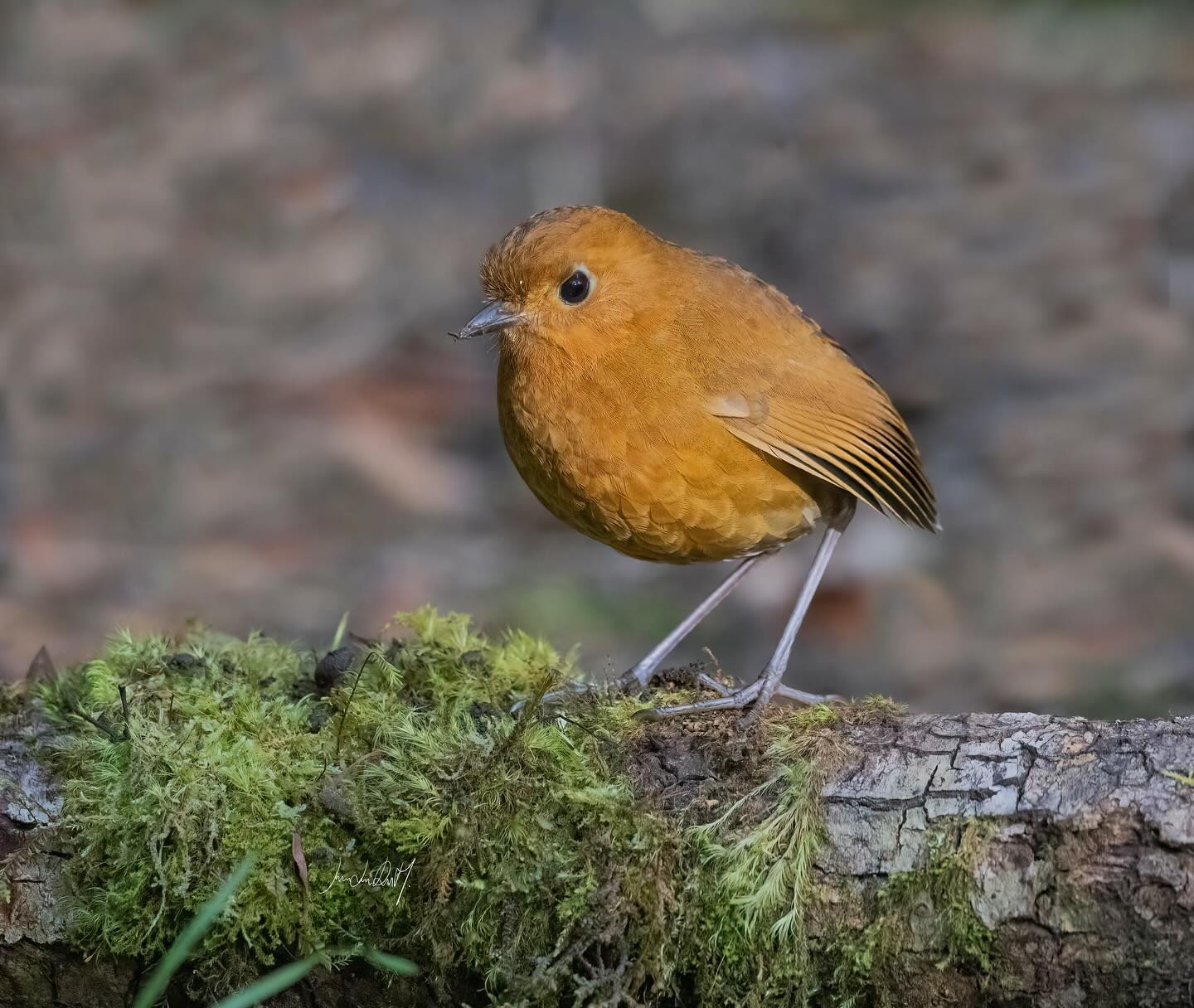
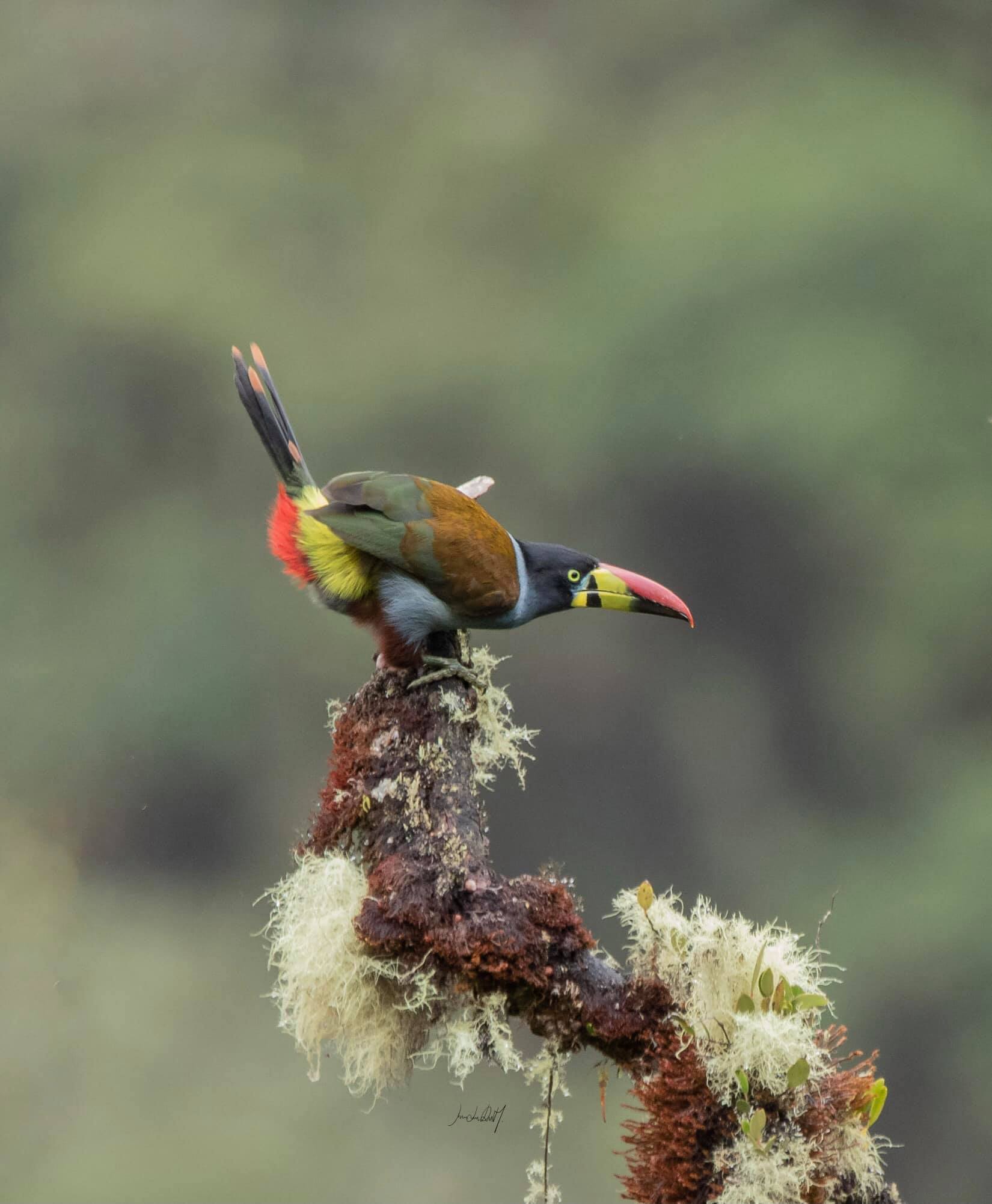
Travel early by road (about 2 hours) to Abra Málaga, a premier birding pass spanning 2,800–4,500 m with rich habitats from cloud forest to high Andes. Full-day birding for species such as Taczanowski’s Tinamou, White-throated Hawk, Amethyst-throated Sunangel, Scaled Metaltail, Marcapata Spinetail, Diademed Tapaculo, Rufous and Red-and-white Antpittas (endemic), Parodi’s Hemispingus (endemic), Unstreaked Tit-tyrant (endemic), Gray-breasted Mountain-Toucan, Inca Wren, Black-capped Hemispingus, Scarlet-bellied Mountain-Tanager, Plushcap, and Yellow-billed Cacique, among others. Breakfast and lunch are provided during the excursion. Return to Ollantaytambo for dinner and overnight. (B, Box L)
Polylepis Woodlands
Explore another section of Abra Málaga, focusing on the rare Polylepis woodlands and surrounding habitats. Visit Thastayoq, a village engaged in native tree reforestation supported by eco-tourism initiatives. These fragile high-Andean forests host some of the region’s most restricted bird species. After breakfast, drive about one hour and hike into Polylepis habitat in search of species such as Andean Goose, Blue-mantled and Purple-backed Thornbills, Andean Condor, Junin Canastero (endemic), Tawny and White-browed Spine-tailed Canasteros (endemic), Puna Tapaculo, Stripe-headed Antpitta, Ash-breasted Tit-tyrant (near endemic), Giant Conebill, and Royal Cinclodes (endemic), among others. Lunch at midday.
Peñas Ruins
In the afternoon, visit the ruins of Peñas to look for Creamy-crested Spinetail (endemic), Chestnut-breasted Mountain-Finch (endemic), White-tufted Sunangel (endemic), Great Sapphirewing, and more. Return to Ollantaytambo in the late afternoon. (B, Box L)
Chonta – Valley of the Condors
After breakfast and hotel check-out, drive about 2 hours along the Cusco–Lima highway to the Limatambo Valley, with birding stops along the way if possible. Continue about 1 hour to the community of Chonta for a picnic lunch and short rest. Then hike to a viewpoint to observe the majestic Andean Condor, the world’s largest flying bird, long revered by ancient cultures. The surrounding area also offers chances to see Creamy-crested Spinetail (endemic), Rusty-fronted Canastero (endemic), Taczanowski’s Tinamou, Rufous-breasted Chat-tyrant, and various raptors, swifts, and swallows. Return to Cusco and transfer to your hotel. (B, Box L)
Departure from Cusco
Depending on flight time, enjoy a final walk in Cusco. A visit to San Pedro Market is highly recommended, where you can explore traditional Andean foods such as native potatoes, corn varieties, Incan grains, beans, fruits, and medicinal plants—an excellent cultural and photographic experience. Transfer to the airport. End of services. (B)
Frequently Asked Questions
Expand All
The program focuses on endemic Andean and cloud forest species, including Cock-of-the-Rock, Inca Wren, Giant Hummingbird, Royal Cinclodes, Giant Otter-associated species and Andean Condor.
Yes, the itinerary is specifically designed for birdwatchers and wildlife photographers, visiting several of Peru's premier birding locations.
Yes, the program includes train transportation, bus tickets, entrance fees and a guided visit to Machu Picchu.
Location
Related tours

Cusco-Sacred Valley-Machu Picchu-Cusco (EA12)
Cusco – Sacred Valley – Ollantaytambo – Machu Picchu
4 Days / 3 Nights

Cusco, Sacred Valley, Inca Trail and Machu Picchu Maras and Moray (EA14)
Cusco – Sacred Valley – Inca Trail – Machu Picchu – Maras – Moray
6 Days / 5 Nights
Cusco-Valle Sagrado-Aguas Calientes-Machu Picchu-Cusco (EA16)
Cusco – Sacred Valley – Aguas Calientes – Machu Picchu
4 Days / 3 Nights